Car insurance in Kenya
Third-party cover is compulsory. Comprehensive cover is optional, and it is the one that decides whether an accident costs you a repair or a car. The difference in premium is large, and so is the difference in what you get back.
Third party or comprehensive
The two covers answer different questions. Third party answers "what if I hurt someone or damage their property". Comprehensive also answers "what if I damage or lose my own car".
| Event | Third party | Comprehensive |
|---|---|---|
| Injury to another person | Yes, up to the limit | Yes, up to the limit |
| Damage to another vehicle | Yes, up to the limit | Yes, up to the limit |
| Damage to your own vehicle | No | Yes, less the excess |
| Theft of your vehicle | No | Yes, if theft cover is included |
| Fire damage to your vehicle | No | Yes |
| Windscreen | No | Usually, as a stated benefit |
| Personal effects in the car | No | Usually, up to a small limit |
| Compulsory in Kenya | Yes | No |
"Third party, fire and theft" sits between the two. It adds fire and theft to third-party liability but still leaves you paying for accidental damage to your own car.
How the excess works
The excess is the first slice of every claim, paid by you. On comprehensive motor cover it is commonly set as a percentage of the insured value, with a floor and a ceiling.
Vehicle insured for KES 1,500,000. Excess at 2.5 per cent is KES 37,500.
A repair bill of KES 90,000 means you pay KES 37,500 and the underwriter pays KES 52,500. A repair bill of KES 30,000 is below the excess, so nothing is payable and you carry all of it.
This is why a small dents claim is often not worth reporting. Ask us to run the numbers before you decide.
The percentage, floor and ceiling are set by the underwriter and stated on your schedule. Read that line before you buy, not after an accident.
What is not covered
Standard motor exclusions across the Kenyan market. Your own policy wording governs, and it may differ.
- Driving without a valid licence, or by a driver not declared on the policy
- Driving under the influence of alcohol or drugs
- Use of the vehicle for hire or reward where the policy says private use only
- Wear and tear, mechanical or electrical breakdown
- Consequential loss — the income you did not earn while the car was off the road
- Unroadworthy vehicles, or tyres damaged by braking or kerbing
Matatu, fleet and commercial
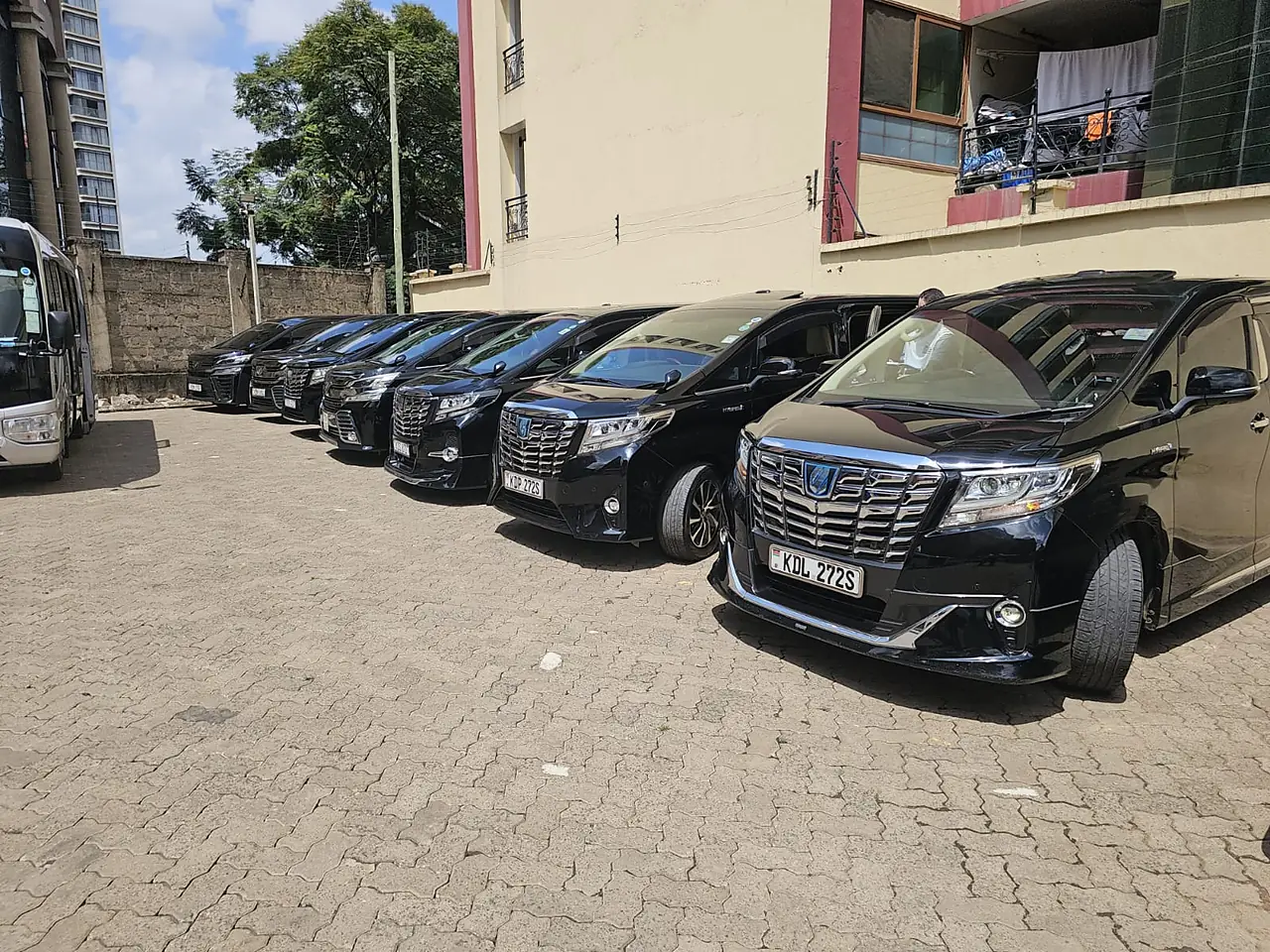
PSV and commercial motor is a different class of business, not a private policy with a higher premium. Passenger liability limits, authorised routes, driver vetting and fleet management all form part of the underwriting.
If you run several vehicles, fleet cover prices the account as a whole rather than each vehicle separately, and usually comes with a claims-experience adjustment at renewal.
This page provides general information about motor insurance in Kenya. Cover is subject to the terms, conditions, exclusions and limits of the applicable policy. Figures shown are indicative market ranges and do not constitute a quotation.
Questions we are asked
Is third-party insurance compulsory in Kenya?
Yes. Motor third-party cover is compulsory, and driving without it is an offence. It pays for injury or damage you cause to other people and their property. It does not pay for your own vehicle.
What does third-party insurance cover in Kenya?
Bodily injury to other people, death of a third party, and damage to their property, up to the limits on the policy. It does not cover repairs to your own car, theft of your car, or fire damage to your car.
What is the difference between comprehensive and third party?
Comprehensive adds damage to your own vehicle, fire, theft, and usually windscreen and personal effects, on top of the third-party liability. It costs substantially more because it is underwriting your own asset as well as your liability.
How is car insurance calculated in Kenya?
Comprehensive cover is priced as a percentage of the vehicle's insured value, adjusted for the excess you choose, the use of the vehicle, your claims history and whether a tracking device is fitted. Third-party cover is a flat basic premium by vehicle class. Levies and stamp duty are added to both.
What is an excess?
The first part of every claim that you pay yourself. A higher excess lowers the premium and raises what you pay at the point of claim. It is the single most useful lever you have on price.
Can I insure a matatu or a lorry?
Yes. Commercial and PSV motor cover is a separate class with different rating and different conditions. Fleet cover is available where several vehicles are insured together.
Tell us the vehicle and we will tell you the number.
Make, model, year, value and how it is used. That is enough for an indicative figure, and usually enough for a firm one.